
Hardware
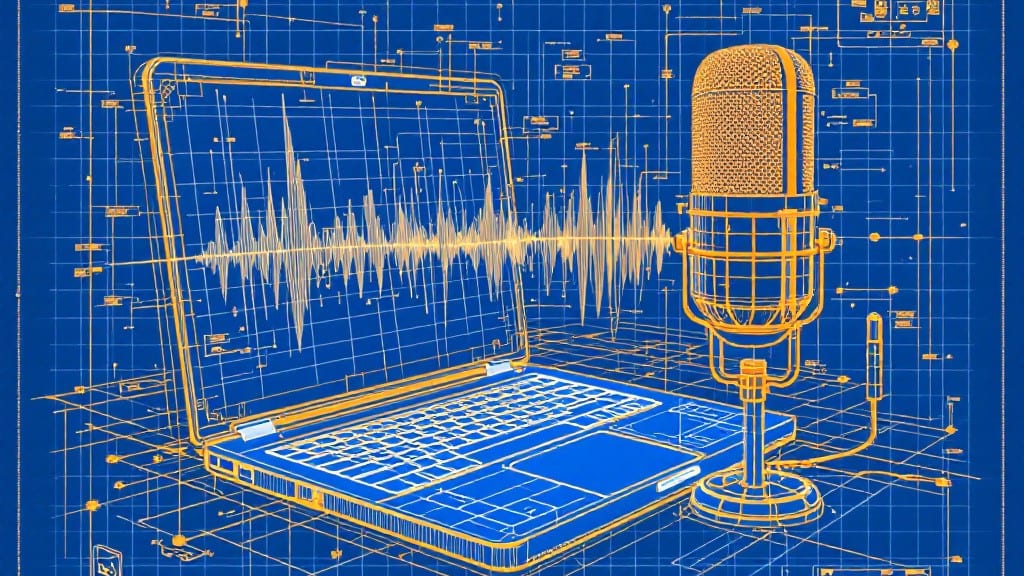
Voice-activated computers for disabled users transform daily tasks into opportunities for greater independence—no typing, no clicking, just clear commands.
For millions of people with mobility impairments, voice-activated computers aren’t just a convenience—they’re a gateway to independence, communication, and equal access to technology. But with so many options available, how do you choose the right system that truly meets your needs?
These systems work by translating speech into on-screen actions, integrating with built-in tools like Windows Speech Recognition or third-party software such as Dragon NaturallySpeaking. The best setups combine hardware like high-quality microphones with customizable software, ensuring seamless navigation, screen reading, and even adaptive keyboard alternatives.
In this guide, you’ll discover the top tools, security tips, and step-by-step setup advice to make technology work for you, not against you.
Top 5 voice-activated computer systems for disabled users in 2024
Voice-activated technology has transformed how people with disabilities interact with computers, offering hands-free navigation, customizable commands, and seamless integration with assistive devices. Whether you need Windows Speech Recognition, Dragon NaturallySpeaking, or Apple VoiceOver, the right system can unlock new levels of independence.
Below, I compare the top five solutions based on accuracy, customization, and hardware compatibility.
Before diving in, it’s critical to match your system to your specific needs. For example, users with motor impairments may prioritize eye-tracking integration, while those with visual impairments need robust screen reader compatibility. Let’s explore the best options in 2024, starting with the most versatile platforms.
Here’s a detailed comparison of the top five voice-activated systems, including their accuracy rates, customization options, and assistive device support:
Dragon NaturallySpeaking leads the pack with a 98% accuracy rate and deep customization for dictation and commands. It’s ideal for professionals who rely on voice input for document creation or email management. The software integrates seamlessly with eye-tracking devices and adaptive keyboards, making it a top choice for users with limited mobility.
For Windows users, the built-in Windows Speech Recognition offers a cost-effective solution with 92% accuracy.
It works well with Microsoft Narrator and Magnifier, though its customization is more limited than Dragon’s. Pair it with a high-quality USB microphone like the Yeti Nano for better performance in noisy environments.
Apple VoiceOver is a game-changer for Mac users, especially those with visual impairments. With a 95% accuracy rate and deep integration with Braille displays, it’s one of the most accessible options. The system’s gesture customization allows users to tailor commands to their workflow, whether for coding or content creation.
If you’re on Linux, Orca Screen Reader provides a free, open-source alternative with 90% accuracy. It’s highly customizable and works with switches and Braille terminals. While it may require more setup, its flexibility makes it a strong contender for tech-savvy users who prefer open-source solutions.
Finally, Nuance PowerTalk is designed for enterprise environments and offers 96% accuracy with robust assistive device support. It’s particularly useful for organizations implementing accessibility programs, as it includes predefined commands for common tasks like spreadsheet navigation or presentation control.
When selecting a system, consider your primary use case, budget, and hardware compatibility. For example, if you need real-time dictation, Dragon NaturallySpeaking is unmatched. If you’re on a tight budget, Windows Speech Recognition or Orca may be better fits. Always test with your assistive devices
How to set up a fully voice-controlled PC for daily tasks
Setting up a fully voice-controlled PC starts with enabling your operating system’s built-in tools. For Windows, open Settings > Ease of Access > Voice Control and toggle it on. This unlocks basic commands like opening apps or navigating menus.
On Linux, install Orca Screen Reader or Speech Dispatcher for similar functionality. The key is pairing these tools with software like Dragon NaturallySpeaking for advanced customization.
Next, configure your microphone settings for optimal clarity. Use a high-quality USB microphone like the Yeti Nano or built-in array mics for better noise cancellation. In Windows, go to Settings > System > Sound and adjust the microphone input level.
For Linux, use PulseAudio Volume Control to fine-tune sensitivity. Proper setup ensures your commands register accurately, reducing frustration during use.
Now, let’s integrate voice control into your daily apps. For Outlook, enable Windows Speech Recognition and practice commands like “Open Outlook” or “Read new emails.” In Microsoft Word or PowerPoint, use voice dictation to create documents hands-free.
These tools adapt to your speech patterns over time, making them more reliable for tasks like drafting emails or presentations.
Step-by-Step Setup Guide
-
Step 1: Enable Voice Control
Open Windows Settings > Ease of Access > Voice Control and enable it. For Linux, install Orca or Speech Dispatcher via terminal.
-
Step 2: Configure Microphone
Use a USB mic (e.g., Yeti Nano) and adjust input levels in Settings > System > Sound. Test with a voice command like “Hey Cortana” (Windows) or “Speak” (Linux).
-
Step 3: Train Voice Recognition
Follow the Voice Training prompts in Windows Speech Recognition or Dragon NaturallySpeaking. Speak clearly and repeat phrases like “Open Chrome” or “Minimize window.”
-
Step 4: Customize App Commands
In Outlook, add commands like “Reply to email” via Voice Control Settings. For Word/PowerPoint, enable dictation in Review > Dictate.
-
Step 5: Integrate Smart Home
Use Alexa/Google Home with voice commands like “Turn on lights” via IFTTT or Home Assistant. Pair with Windows Speech Recognition for seamless control.
Troubleshooting is part of the process. If your PC ignores commands, check for background noise or mic placement. For Windows Speech Recognition, run the Troubleshooter in Ease of Access Settings.
On Linux, ensure PulseAudio is configured correctly. Updating your OS and voice software regularly resolves most issues, ensuring smoother performance over time.
Finally, explore advanced features like custom voice macros. In Dragon NaturallySpeaking, record commands for repetitive tasks (e.g., “Send report to team” to auto-fill Outlook). For smart home integration, pair your PC with Alexa or Google Home using IFTTT to control lights or thermostats via voice.
These tweaks turn your PC into a true accessibility powerhouse.
With this setup, you’ll spend less time struggling with tech and more time focusing on what matters—whether it’s work, hobbies, or staying connected. The right voice-controlled PC can be a game-changer for independence and productivity. 🖥️