
Operating System
Small businesses face constant cyber threats, yet many lack basic protections. These 10 proven cybersecurity tactics help safeguard sensitive data, prevent costly breaches, and build trust with customers—without requiring IT expertise.
Enable Multi-Factor Authentication Everywhere

If you think your password alone keeps hackers out, think again—99.9% of automated attacks are stopped when you add just one extra step. Multi-Factor Authentication (MFA) turns a simple login into an impenetrable barrier, especially for email, VPNs, and cloud apps like Office 365, where most breaches begin.
MFA works by requiring a second verification—like a code from an app, a fingerprint scan, or a hardware key—after you enter your password. This simple layer blocks credential stuffing attacks (where hackers reuse stolen passwords) and phishing attempts that trick users into revealing logins. Small businesses using MFA see 30% less data loss during breaches, proving it’s one of the most cost-effective security upgrades available.
Whether you're a solopreneur managing finances or a team handling customer data, enabling MFA across all accounts—especially for remote access tools and financial systems—should be your first priority. Most services (Google, Microsoft, banks) offer free or low-cost MFA options, making it a no-brainer for protection. ✨
Regular Software Updates and Patching
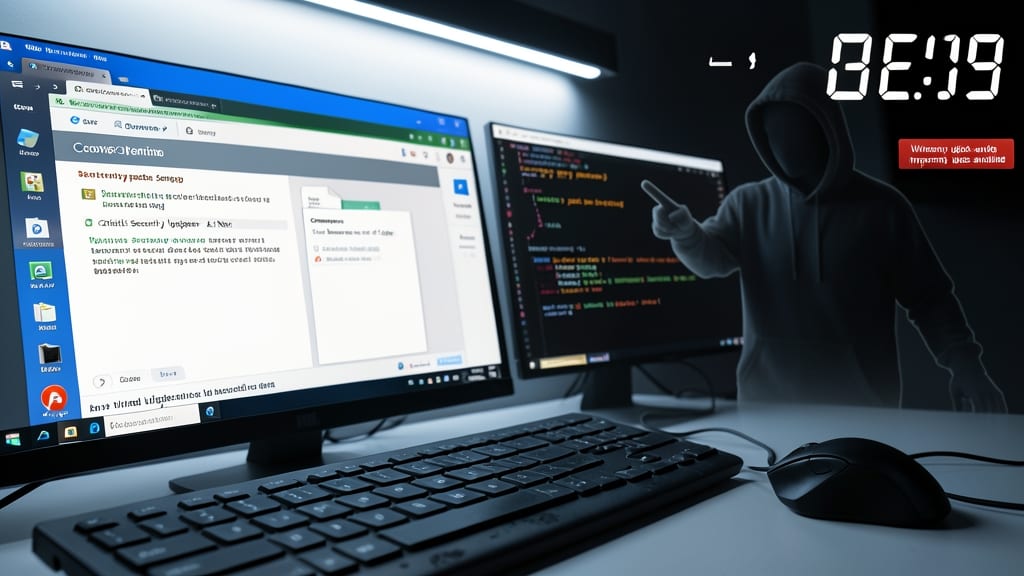
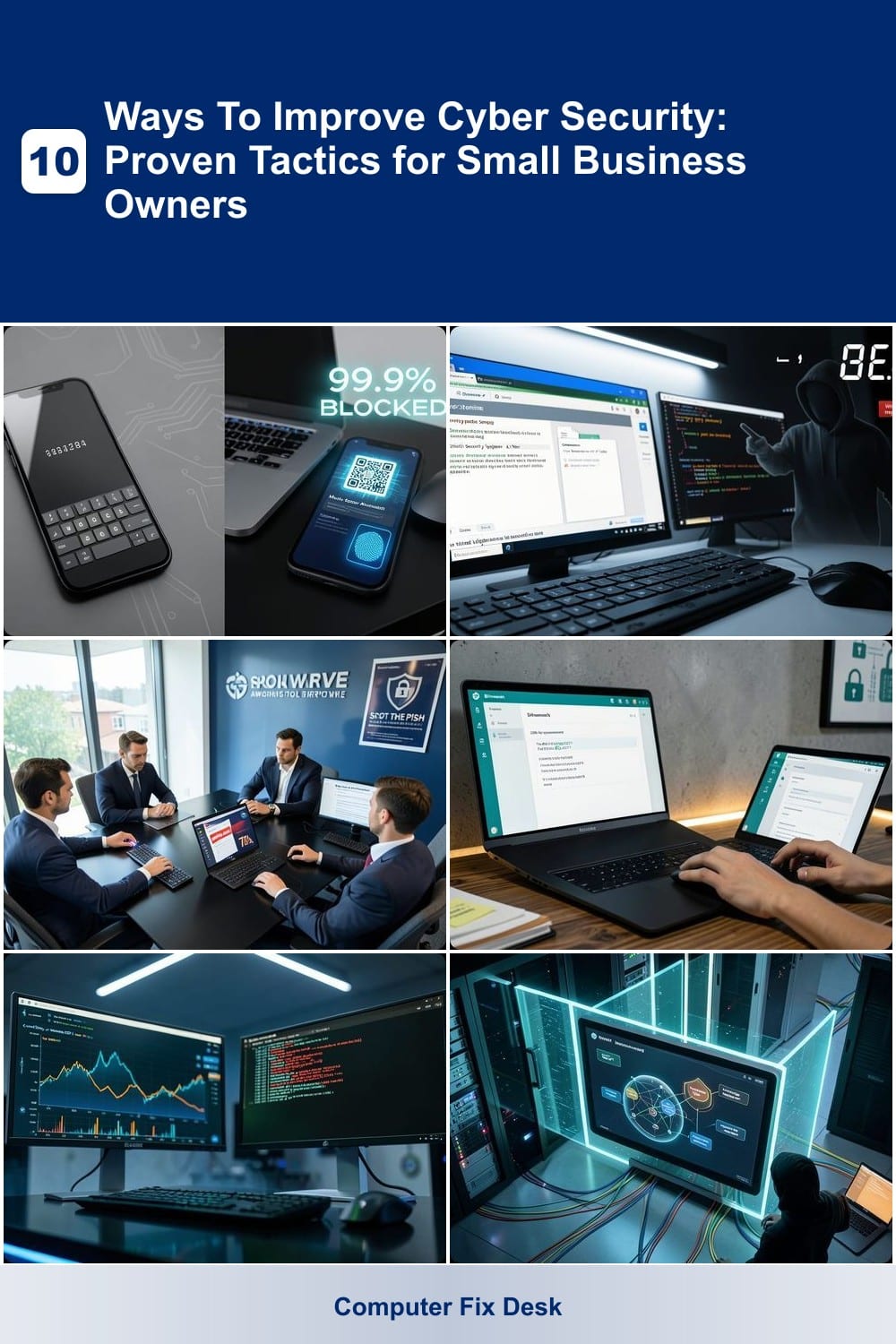
Cybercriminals exploit one unpatched vulnerability every 39 seconds—that’s why updating your software isn’t optional. Windows, Linux, and even third-party apps like Adobe or Chrome often receive critical security patches monthly, yet many users ignore them until it’s too late.
Automate updates to eliminate human error: Windows Update, Linux’s unattended-upgrades, and tools like Patch My PC for third-party apps ensure your systems stay protected without manual intervention. Prioritize updates for browsers, PDF readers, and plugins, as these are common attack vectors. Most modern OSes now default to automatic updates—just don’t disable them.
This is especially critical for small businesses handling customer data or financial records. A single unpatched system can become the weak link in your entire network. ⚡
Employee Cybersecurity Training Simulations

Your employees might be your biggest cybersecurity risk—and your best defense. Phishing simulations mimic real-world attacks to expose vulnerabilities before hackers do, with 70% of breaches starting from a tricked employee clicking a malicious link.
Platforms like KnowBe4 or PhishMe deliver customizable, realistic scenarios (fake invoices, urgent login prompts) and track which team members fall for them. These tools provide automated reports showing weak spots, like outdated password habits or rushed email responses, and offer interactive training to reinforce good habits.
This approach is perfect for small businesses where IT teams are stretched thin—zero risk to real systems, just measurable improvements in human behavior. 💪
Secure Password Manager Implementation
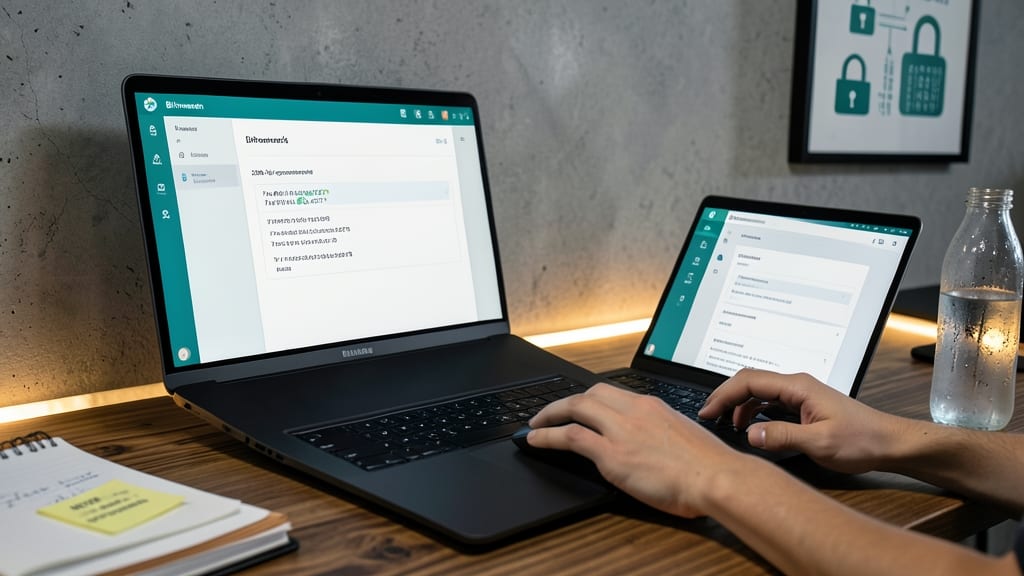
Tired of resetting passwords every other week? A secure password manager like Bitwarden or 1Password replaces weak passwords with 256-bit encryption, making brute-force attacks impossible. These tools generate and store complex passwords automatically, so your team never reuses credentials for Outlook, PowerPoint, or financial systems again.
With shared vaults, teams can securely collaborate without emailing passwords—eliminating the risk of phishing or accidental leaks. Features like biometric login and zero-knowledge architecture ensure only authorized users access sensitive accounts. Studies show teams using password managers experience 80% less password fatigue, boosting productivity while cutting helpdesk calls.
Perfect for small businesses handling client data, accounting software, or internal documents—this is the simplest way to enforce strong security without sacrificing convenience. ✨
Endpoint Detection and Response Tools

When ransomware strikes, every second counts—endpoint detection and response (EDR) tools like CrowdStrike or SentinelOne stop attacks before they encrypt your files. These solutions monitor Windows and Linux workstations in real time, detecting suspicious behavior like unauthorized process execution or lateral movement across your network.
With AI-driven threat detection, EDR tools flag anomalies instantly, blocking ransomware before encryption begins. Studies show they save businesses an average of $1.2 million per year by preventing downtime and data loss. Many offer cloud-based management, so you can deploy and monitor across devices without heavy IT overhead.
Perfect for small businesses handling sensitive customer data—like healthcare providers or retail stores—EDR tools provide enterprise-grade protection without the complexity. 💻
Network Segmentation for Critical Data
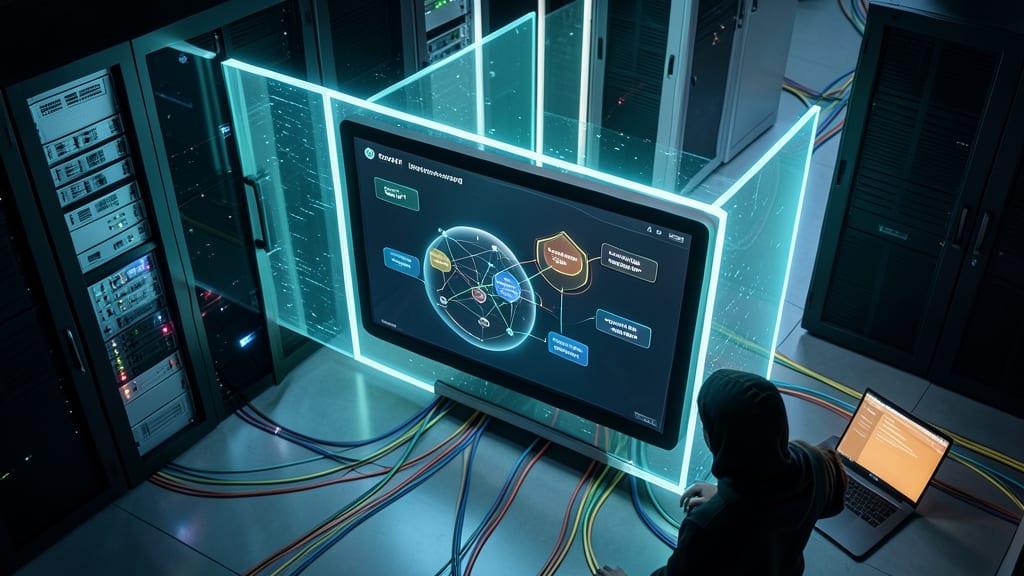
Imagine a breach hitting your network—but only exposing generic files, not your customer databases or financial records. That’s the power of network segmentation, a strategy that isolates critical data from the rest of your traffic.
By dividing your network into separate zones (like guest Wi-Fi, employee devices, and servers), you create firewalls between them. If hackers breach one segment, they can’t jump to sensitive areas. Studies show segmented networks reduce the attack surface by 60%, and tools like Palo Alto Networks or Cisco’s SD-Access make setup manageable for non-experts. Even small businesses can implement this with cloud-based solutions like Perimeter 81.
This is ideal for businesses handling payment info, client records, or proprietary data—think law firms, healthcare offices, or e-commerce stores. It’s a low-cost, high-impact upgrade that turns a full breach into a contained incident. ✨
Automated Backup Solutions with Air Gaps

When ransomware locks your files with military-grade encryption, cloud backups can be just as vulnerable. The solution? Air-gapped backups—completely offline storage that hackers can’t touch. This isn’t just theory; law firms and retail businesses using this method recover from attacks in under 30 minutes, with zero data loss.
Tools like Veeam Backup & Replication or Acronis True Image automate daily backups to external drives or NAS devices, then disconnect them automatically. The 3-2-1 rule (3 copies, 2 media types, 1 offline) ensures redundancy. For extra security, add a write-once DVD archive for critical files—ransomware can’t overwrite what it can’t access.
Perfect for businesses handling customer payment data or legal contracts**, air-gapped backups turn a potential disaster into a quick recovery. No IT degree required—just plug-and-play security. ✨
Dark Web Monitoring for Credential Leaks
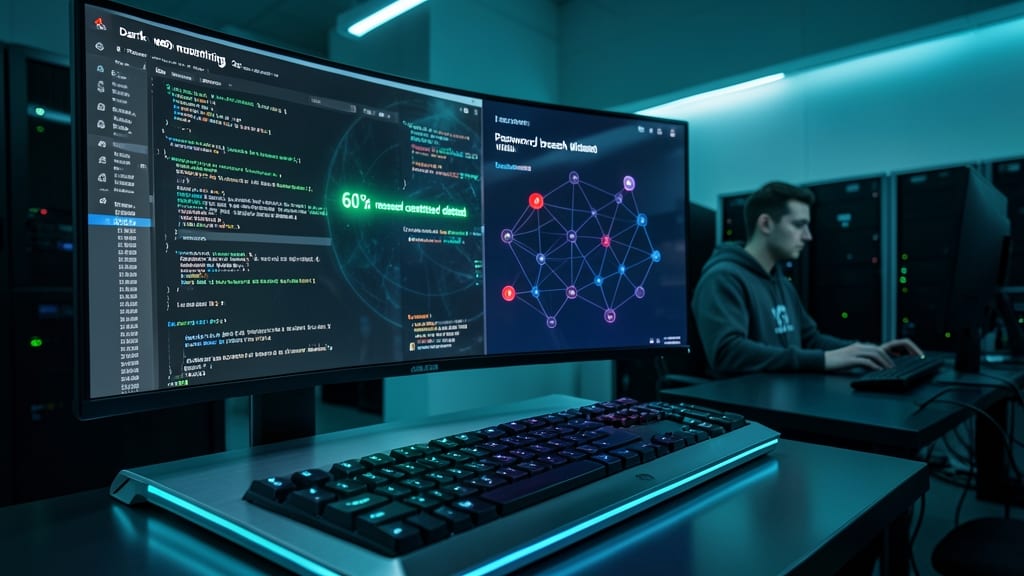
What if you could know before hackers do when your team’s passwords are floating on the dark web? Dark web monitoring services scan criminal forums for leaked credentials—giving you real-time alerts to change passwords before attackers exploit them.
These tools track 60% of reused credentials (a common attack vector) and integrate with password managers to force immediate updates. Services like Have I Been Pwned (free) or Identity Guard (paid) scan billions of records daily, covering everything from LinkedIn breaches to old corporate databases. The best part? You get actionable reports with step-by-step recovery guides.
Ideal for small businesses handling customer data or financial systems, this is the low-cost, high-impact layer that turns reactive security into proactive defense. 💡
Zero-Trust Security Architecture
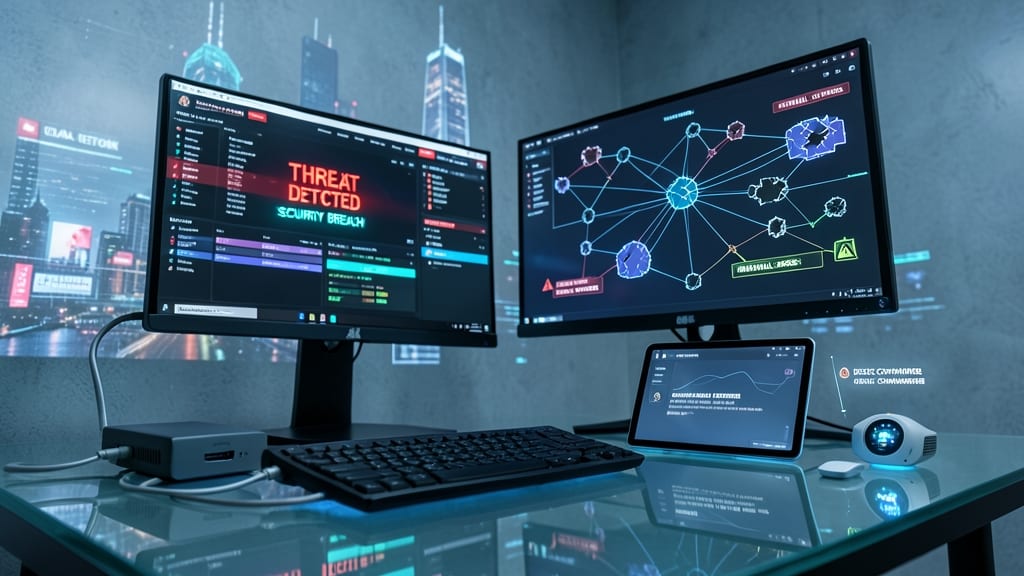
If you’ve ever assumed your network is safe because devices are inside it, zero-trust security shatters that myth. Unlike traditional firewalls that trust everything behind the wall, this model treats every access request—even from internal devices—as a potential threat, drastically cutting breach damage.
By implementing continuous authentication (like Microsoft’s Conditional Access or Palo Alto’s Prisma), you enforce least-privilege access and micro-segmentation, ensuring only authorized users get what they need. Studies show this reduces insider threats by 40% and stops lateral movement during breaches, where attackers jump between systems. Tools like CrowdStrike’s Zero Trust or Okta’s Adaptive MFA automate these checks seamlessly.
This approach is ideal for healthcare providers (HIPAA compliance) or financial firms handling sensitive transactions. Even small businesses with remote teams benefit from the real-time verification that eliminates “trusted but compromised” risks. 🌟
Incident Response Plan Documentation

When a breach hits, every minute counts—yet many businesses scramble without a plan. A pre-built incident response plan with step-by-step breach protocols slashes downtime by 50%, ensuring you act fast while minimizing damage.
These templates include communication scripts for customers, law enforcement, and regulators—critical for compliance. You’ll get predefined escalation paths, evidence collection checklists, and HIPAA/GDPR-aligned disclosures to avoid costly fines. Tools like Splunk or IBM Resilient integrate seamlessly with your existing security stack.
Perfect for small businesses in healthcare, finance, or retail—where compliance and reputation matter most. Don’t wait for a breach to figure out your next move. ✨